

When we picture caring for an aging parent, it’s easy to imagine one defining moment when life suddenly changes. More often, it happens through a series of small shifts that are barely noticeable at first. A ride to a doctor’s appointment becomes part of the weekly routine. A question about an online account turns into regular help paying bills. A quick grocery run becomes a standing Saturday tradition.
Those changes don’t follow a predictable timeline. Some people remain remarkably independent for years with only occasional assistance. Others find that health concerns, mobility, or memory require more support than anyone expected. The path looks different for every family, which is why planning ahead isn’t about predicting the future. It’s about being ready to adapt when life changes.
Small Changes Often Come First
The earliest signs are often subtle. A parent may begin forgetting appointments, mention that driving after dark feels stressful, or ask for help navigating a new phone or online account. Household chores may take a little longer than they used to, or medication refills become easier to manage with an occasional reminder.
None of these changes automatically mean someone can no longer live independently. In many cases, they simply suggest that a little extra support could make everyday life easier. A ride to a medical appointment, help organizing paperwork, or assistance with technology can reduce frustration while allowing someone to continue living much as they always have.
Recognizing those early changes gives families something valuable: time. Instead of making major decisions during a crisis, they can adjust gradually as needs evolve.
Independence Doesn’t Have to Mean Doing Everything Alone
One of the biggest misconceptions about growing older is that accepting help means giving up independence. In reality, independence is often preserved by accepting the right kind of support.
An older adult may continue living at home, preparing meals, spending time with friends, and making personal decisions while asking a family member to organize important documents or help manage insurance paperwork. Someone else may hire assistance with housekeeping or transportation while continuing to enjoy an active, fulfilling lifestyle.
Support isn’t an all-or-nothing decision. It often grows one step at a time, allowing people to remain as independent as possible while reducing unnecessary stress for everyone involved.
Caregiving Often Becomes Part of Everyday Life
Few people think of themselves as caregivers at first. They’re simply helping a parent with errands, appointments, or paperwork.
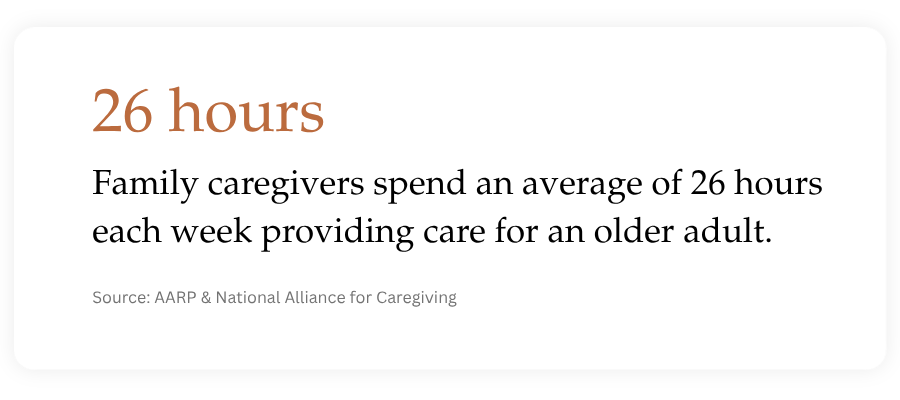
According to AARP and the National Alliance for Caregiving, family caregivers spend an average of 26 hours each week caring for an older adult. That time may include coordinating medical appointments, managing medications, helping around the house, providing transportation, or simply being available when someone needs support.
The goal isn’t to avoid those responsibilities. It’s to make them easier to manage by staying organized and keeping important information accessible.
Planning Before It’s Urgent Makes a Difference
The best time to talk about future care is long before anyone needs immediate help. Waiting until a medical emergency or unexpected hospitalization often means making important decisions under pressure. Starting the conversation earlier gives everyone time to think about what matters most.
Those conversations don’t need to be formal or overwhelming. They can begin with simple questions. Where are important documents stored? Who should be contacted in an emergency? What healthcare preferences have already been discussed? If more help becomes necessary in the future, who might be available to provide it?
Even if those plans aren’t needed for years, having the conversation now can make future decisions feel far less overwhelming.
Revisit the Conversation as Life Changes
Planning isn’t something that’s completed once and tucked away in a drawer. Health changes. Families grow. Circumstances shift. A plan that worked well a few years ago may need a few updates today.
Many people find it helpful to review important information once or twice a year or after significant life events such as a hospitalization, retirement, a move, or the loss of a spouse. These conversations help ensure everyone knows where important information is stored and understands any changes that have taken place.
Keeping information current also makes it much easier for family members to step in when they’re needed.
Preparing Is an Act of Care
Planning ahead isn’t about expecting the worst. It’s about making everyday life a little easier, both now and in the future.
We buy insurance hoping we’ll never need it. We keep emergency contacts on our phones without expecting to use them. Organizing important information works the same way. It creates peace of mind because everyone knows where to turn if circumstances change.
No one can predict exactly what the years ahead will bring. What we can do is prepare one step at a time. Organizing important information, having open conversations, and revisiting plans occasionally won’t answer every future question, but it can make those questions much easier to navigate together.
Related Articles
- When a Parent’s Situation Changes Suddenly: What Families Should Do First
- How Families Can Support a Parent Together
- The Essential Documents Every Family Should Have
- Why Every Adult Needs a Healthcare Proxy
- Staying at Home vs. Assisted Living: How Families Decide
- Organize Important Family Information Before It’s Needed
Continue Planning
Every step you take today can make things easier for you and your family tomorrow.
SilverPath helps families organize important contacts, healthcare information, document locations, and planning details in one secure place so everyone knows where to find what they need when it matters most.

